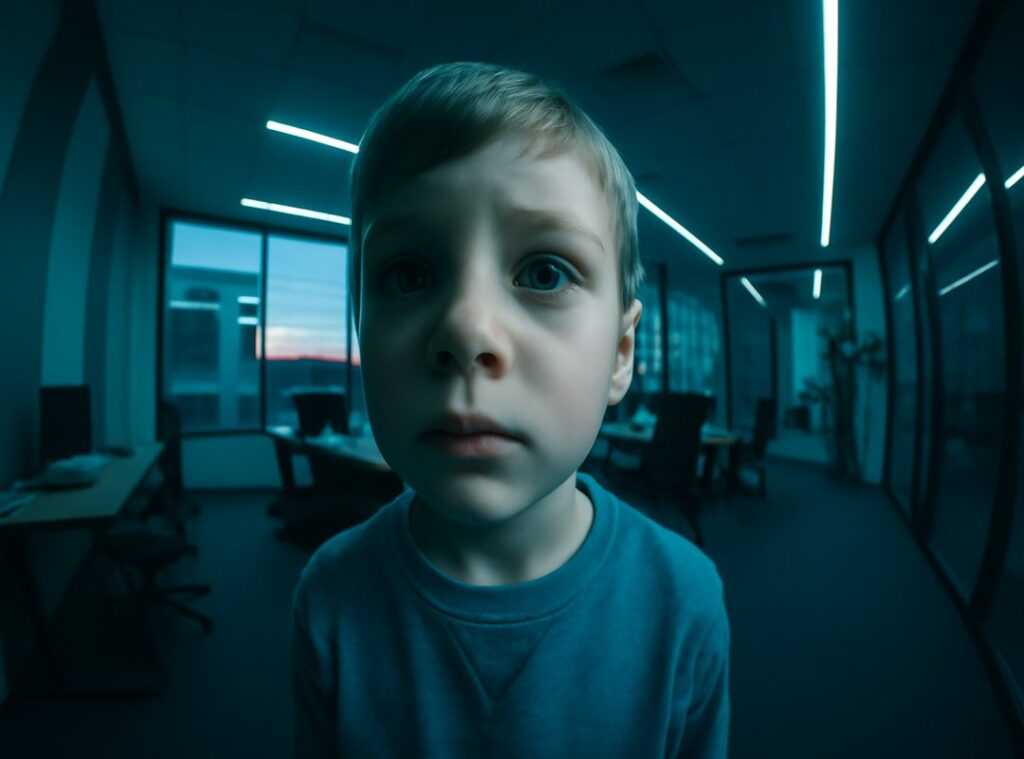
We’ve all been there. Your child is having a meltdown because their favorite cup is the wrong color, and you wonder, “Am I handling this right?” Yeah, you’re not alone. Parenting is messy, and it’s beautiful too.
But when it comes to supporting child emotional development, everyone needs a little guidance. This article is your practical guide to understanding and nurturing your child’s emotional world. I’m a parent, just like you.
I’ve navigated the tantrums and triumphs. You’ll leave with a clear grasp of emotional growth and simple strategies you can use right away. Ready to dive in?
Let’s go.
Understanding Emotional Growth: A Simple Guide
Ever wonder what emotional growth really means? Simply put, it’s about learning to understand and handle those big feelings that can sometimes take over. It’s not just for kids, but let’s start there.
Think of child emotional development as a journey in four parts.
First, identifying feelings. Moving beyond just “happy” or “sad” to more subtle emotions like “frustrated” or “excited” helps children articulate what they’re feeling. Saying, “You seem frustrated that your tower fell,” gives them words.
Then there’s expressing feelings safely. It’s okay to be angry, but not to hurt others. We can teach alternatives like stomping feet or punching a pillow instead.
The third part is managing strong emotions, which is self-regulation. It’s the ability to calm down after a big feeling. Definitely not an overnight skill.
It takes years to master, but every step counts.
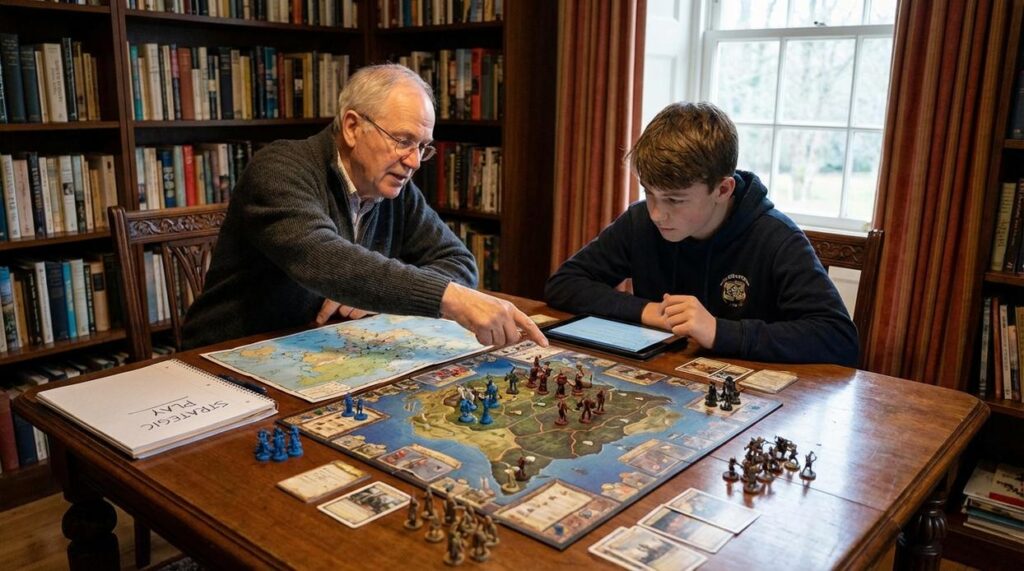
Finally, understanding others’ feelings, or empathy, is key. Noticing when a friend is sad and offering a hug can make all the difference. This is why play is key.
It helps kids learn empathy and manage emotions. Curious about how play ties into this? Check out role of play cognitive development for more takeaways.
Emotional Milestones: What to Expect at Each Age
Let’s face it, child emotional development can feel like a rollercoaster. But here’s the thing: these milestones are guides, not deadlines. You have enough on your plate without stressing over every tantrum or sulk.
Let’s break it down.
Toddlers (Ages 1-3): Oh, the drama! Toddlers are all about big feelings. They live in an “all or nothing” world. One minute they’re giggling, the next they’re on the floor crying. Why? They can’t yet express their needs with words. Tantrums are normal (and, dare I say, healthy). At this stage, they’re learning basic emotions like “mad,” “sad,” and “happy.” It’s messy, but it’s how they grow.
Preschoolers (Ages 3-5): Watch out, empathy is on the horizon. Preschoolers begin to grasp how their actions affect others. Sharing toys might still be a challenge, but they’re learning. The key skill here is expressing needs with words instead of fists. They’re also starting to follow simple rules (most of the time). They’re like little diplomats in training, trying to understand the world around them.
School-Aged Kids (Ages 6-9): Complex emotions enter the stage. Think jealousy, embarrassment, and pride. It’s a mixed bag. They start developing coping strategies and understanding others’ perspectives in conflicts. Friendships become more than just playdates. They’re navigating social dynamics. It’s fascinating to watch this unfold. Kids at this age are like emotional detectives, trying to crack the code of human interaction.
For parents, understanding these milestones can ease some anxiety. You’re not alone in this. Emotional development is a journey for both you and your child. Remember, these stages are not set in stone.
Every child is unique. And that’s perfectly okay. So, take a breath.
You’re doing great.
Emotional Intelligence: Daily Habits for Your Child
I get it. Life gets busy, and juggling parenting can feel like a wild circus act. But small actions can make a big impact on your child’s emotional intelligence.

You just have to know where to start.
- Become a Feelings Narrator. Ever notice how kids see everything? They pick up on moods, expressions, and tone. Use that.
Describe emotions you see in them, in yourself, or even in their favorite TV characters. “Wow, that character looks really disappointed.” It helps them connect words to feelings.
- Validate, Don’t Dismiss. It’s easy to brush off their tears with a “You’re fine.” Don’t. Instead, acknowledge their emotions. Say, “I see you’re very upset.” It builds trust and teaches them their feelings are valid.
It’s not just about calming them now (it’s) about future emotional resilience.
- Create a ‘Calm-Down Space.’ A cozy corner with soft pillows or a few favorite books? A game changer. This isn’t a punishment, but a place to feel safe and calm.
They learn it’s okay to have big emotions, somewhere they can regroup.
- Problem-Solve Together (After the Storm). When they’ve calmed down, have a chat. Ask questions like, “What could we try next time you feel that angry?” Teaching them problem-solving skills is key for child emotional development. It empowers them to handle life’s ups and downs.
- Model Healthy Emotional Expression. Share your emotions too. Tell them, “I’m a little frustrated because I can’t find my keys. I’m going to take a deep breath.” Showing how you manage your feelings gives them a roadmap.
And here’s a pro tip: Talking about emotions can also boost language development impacts learning. You’d be surprised how much just a few words can change the game. So, are you ready to make these habits part of your routine?
Navigating Common Bumps
We all know that parenting can feel like steering a ship through a storm. Kids have meltdowns, say hurtful things, or retreat into shyness. I’ve been there, and it’s a wild ride.
Let’s talk solutions.
When your child has an epic meltdown, it feels like the world is ending. But here’s a bold truth: it’s just a feeling. First, make sure they’re safe.
Stay close and quiet. Once the storm calms, validate what they felt. “That was a big feeling.” Simple, right? It’s not magic, but it helps.
Shyness is another beast. Calling your kid ‘shy’ doesn’t help. Labels stick.
Instead, practice social situations at home. Give them phrases like “Can I play?” You’d be surprised how a little practice can boost their confidence. Maybe they’ll still hesitate, but that’s okay.
It’s part of their child emotional development.
Now, when they say “I hate you!” (ouch), it’s not personal. It’s an expression of overwhelming feelings they can’t control. Respond to the feeling, not the words.
Say, “I can see you are very, very angry with me right now.” It’s tough, but it works. You’re acknowledging their emotions without feeding into the drama.
Parenting is a journey, with bumps and all. But you’re not alone. We’ve all faced these challenges.
It’s about understanding and guiding them through their emotional storms. Hang in there. You’ve got this.
And remember, every bump is a chance to connect and learn together.
Be Your Child’s Emotional Coach Now
Worried about your kid’s emotions? You’re not alone. We all want to handle those big feelings right.
Raising a child isn’t about perfection. It’s about being their steady, loving guide. The simple strategies we’ve discussed?
They work. They connect you with your child and teach them life skills. These are key for child emotional development.
Start today. Choose one plan from this guide. Remember, you know your child best.
You’re already their greatest coach. Trust yourself, and take that first step. If you want to see change, try something new.
You’ve got this. Your child needs you.

 Yenansiner Helm has opinions about child development insights. Informed ones, backed by real experience — but opinions nonetheless, and they doesn't try to disguise them as neutral observation. They thinks a lot of what gets written about Child Development Insights, Bianca's Motherhood Reflections, Tips and Advice is either too cautious to be useful or too confident to be credible, and they's work tends to sit deliberately in the space between those two failure modes.
Reading Yenansiner's pieces, you get the sense of someone who has thought about this stuff seriously and arrived at actual conclusions — not just collected a range of perspectives and declined to pick one. That can be uncomfortable when they lands on something you disagree with. It's also why the writing is worth engaging with. Yenansiner isn't interested in telling people what they want to hear. They is interested in telling them what they actually thinks, with enough reasoning behind it that you can push back if you want to. That kind of intellectual honesty is rarer than it should be.
What Yenansiner is best at is the moment when a familiar topic reveals something unexpected — when the conventional wisdom turns out to be slightly off, or when a small shift in framing changes everything. They finds those moments consistently, which is why they's work tends to generate real discussion rather than just passive agreement.
Yenansiner Helm has opinions about child development insights. Informed ones, backed by real experience — but opinions nonetheless, and they doesn't try to disguise them as neutral observation. They thinks a lot of what gets written about Child Development Insights, Bianca's Motherhood Reflections, Tips and Advice is either too cautious to be useful or too confident to be credible, and they's work tends to sit deliberately in the space between those two failure modes.
Reading Yenansiner's pieces, you get the sense of someone who has thought about this stuff seriously and arrived at actual conclusions — not just collected a range of perspectives and declined to pick one. That can be uncomfortable when they lands on something you disagree with. It's also why the writing is worth engaging with. Yenansiner isn't interested in telling people what they want to hear. They is interested in telling them what they actually thinks, with enough reasoning behind it that you can push back if you want to. That kind of intellectual honesty is rarer than it should be.
What Yenansiner is best at is the moment when a familiar topic reveals something unexpected — when the conventional wisdom turns out to be slightly off, or when a small shift in framing changes everything. They finds those moments consistently, which is why they's work tends to generate real discussion rather than just passive agreement.