
Parenting advice is everywhere—but finding guidance that actually fits your real, everyday life is another story. If you’re here, you’re likely looking for practical routines, honest reflections, and child development insights that make your days feel calmer and more intentional—not more overwhelming.
This article is designed to meet that need. We focus on realistic daily rhythms, meaningful mum moments, and practical planning strategies that support both you and your child. Rooted in a slow parenting perspective, the approach shared here emphasizes connection over perfection, consistency over chaos, and thoughtful guidance over quick fixes.
Drawing from child development research and real-life parenting experiences, this content blends evidence-based insight with relatable, actionable tips. You’ll walk away with ideas you can actually use—simple shifts that support your child’s growth while helping you feel more grounded and confident in your parenting journey.
Parenthood often feels like living inside a fire alarm. The noise isn’t just your kids; it’s the pressure to get everything RIGHT. Most advice says manage behavior faster, be more consistent, optimize routines. I disagree. The real shift is slowing down. Reactive parenting—the cycle of stress, yelling, and guilt—disconnects everyone. Instead, try this:
- Pause before responding.
- Name the feeling in the room.
- Choose one calm action.
This slow parenting perspective builds regulation, a child’s ability to manage emotions (think Inside Out, but real life). Critics argue calm means permissive. It doesn’t. It means intentional, practiced, connection.
A calm home is not a luxury; it is biology. When a parent regulates their own nervous system, a child’s body borrows that stability. This is called co-regulation—the process where one steady brain helps another settle. Neuroscience shows children develop self-control through repeated calm interactions (Harvard Center on the Developing Child).
In other words, you become their emotional Wi-Fi. If the signal is steady, they connect. If it’s chaotic, think toddler Hulk smashing like in an Avengers meme.
A mindful environment builds secure attachment—a deep sense of safety formed when children feel seen and understood. From a slow parenting perspective, this is long-term character work, not quick discipline hacks.
- Pause before reacting.
- Lower your voice instead of raising it.
Once, when my child spiraled toward a grocery-store meltdown, I knelt, breathed slowly, and whispered, “I’m here,” and the storm passed (cue the Frozen soundtrack). Calm is contagious. Truly.
It Starts With You: The Mindful Parent’s Mindset
The Power of the Pause
Have you ever heard your own voice mid-yell and thought, Wait… who is this? In heated moments, the most powerful tool isn’t a parenting hack. It’s a pause. A pause is a deliberate break between trigger and response. Try the simple three-breath technique: inhale slowly, exhale fully, repeat three times before speaking. Research shows slow breathing helps regulate the nervous system and reduce stress responses (Harvard Health Publishing, 2020). It sounds small (almost too small), but that space changes everything.
Self-Compassion Is Non-Negotiable
Now, let’s address the myth of the “perfect parent.” Does that person actually exist? Mindfulness isn’t about never losing your cool. It’s about awareness and repair. When you snap and then apologize, you’re teaching accountability. Kristin Neff’s research on self-compassion shows it improves emotional resilience and well-being (Neff, 2011). In other words, being kind to yourself makes you a steadier parent.
Identifying Your Triggers
What consistently sets you off? Bedtime battles? Sibling fights? Identifying triggers—situations that spark an intense reaction—is the first step toward change. From a slow parenting perspective, noticing patterns matters more than controlling every outcome.
Modeling, Not Preaching
Finally, consider this: are your children listening to your words or watching your reactions? Emotional regulation is learned through observation. When you pause, breathe, and repair, you show them how it’s done.
Crafting a Sanctuary: Simple Changes to Your Home Environment
Decluttering the Senses
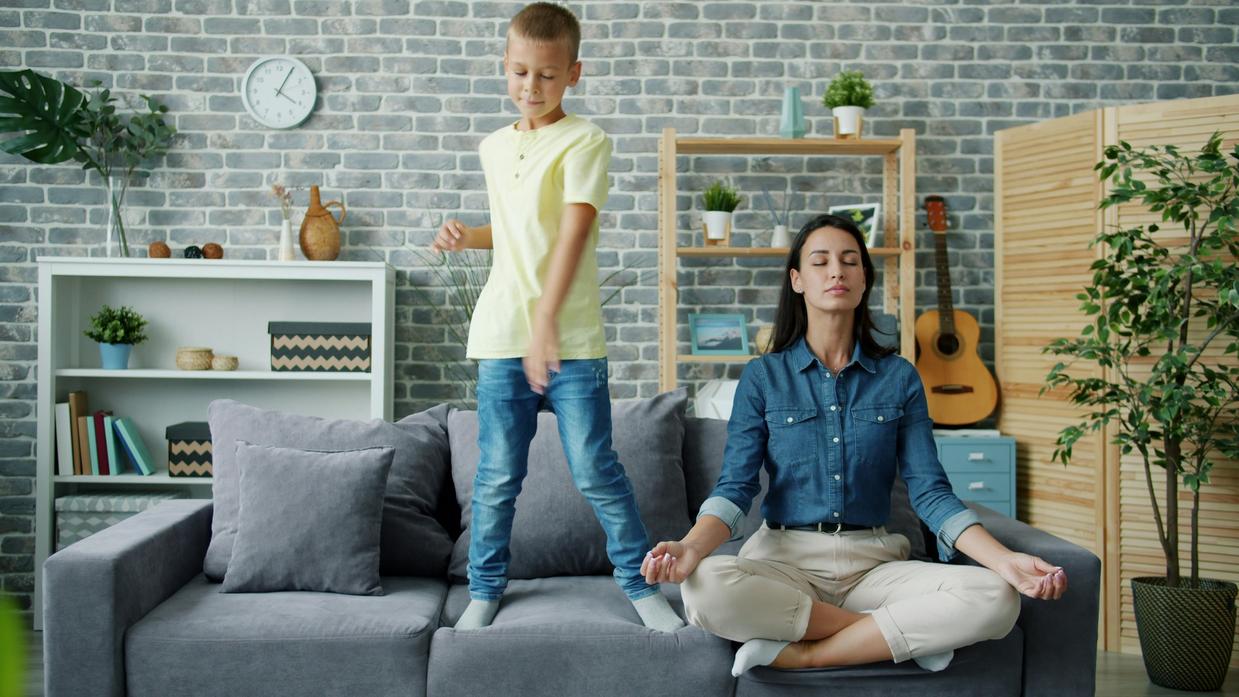
First, let’s clarify what “sensory noise” really means. It’s not just loud sounds. It includes visual clutter (overflowing toy bins, busy walls) and constant background media. Research from the American Psychological Association shows cluttered environments can increase stress and reduce focus (APA, 2011). In other words, too much input overwhelms the brain.
To create calm, start small. Rotate toys instead of displaying them all. Turn off the TV when no one is actively watching (yes, even the “background” news cycle). Choose one neutral corner with soft lighting. Think less Times Square, more cozy library.
The Rhythm of the Day
Next, routines. A predictable rhythm helps children feel safe because they know what comes next. Psychologists call this “predictability-based security” — when consistent patterns reduce anxiety (CDC, 2023).
For example, a simple after-school flow might be snack, outdoor play, homework, dinner. It doesn’t have to be rigid. From a slow parenting perspective, rhythm matters more than perfection.
Creating a ‘Calm-Down Corner’
Now, a calm-down corner isn’t a timeout spot. It’s a regulation space — a place to help the nervous system reset.
Include:
- Soft pillows or a beanbag
- Quiet fidgets
- A favorite book
- Simple breathing cards (inhale for four, exhale for four)
Even adults benefit (Bluey’s parents would approve).
Planning for Peace
Finally, reduce morning chaos with evening prep. Lay out clothes. Pack lunches. Set backpacks by the door. Pro tip: keep a small checklist near the exit.
Small systems create breathing room — and sometimes that space helps you reconnect with yourself, like when reflecting on finding my identity beyond motherhood.
A sanctuary isn’t built overnight. But with thoughtful tweaks, your home can begin to exhale.
Putting it into Practice: Daily Mindful Moments
Big changes don’t require big overhauls. Often, they start with five quiet minutes.
Mindful Mornings
Before grabbing your phone or rushing to the kitchen, try a five-minute snuggle. Set a gentle alarm, roll toward your child, and simply breathe together. No agenda. No to-do list. Some argue mornings are too hectic for this (and yes, schedules are real). But connection first often means fewer power struggles later.
The “Welcome Home” Transition
Afternoons can feel like controlled chaos. Instead of launching into homework, pause at the door. Make eye contact. Offer a hug. Say, “I’m glad you’re home.” That 60-second reset helps regulate nervous systems—yours included. Pro tip: keep snacks ready beforehand so hunger doesn’t hijack the moment.
Tech-Free Meal Times
Place phones in a basket before sitting down. Research from the American Academy of Pediatrics shows device-free meals support stronger family communication and healthier eating habits. Try simple prompts like, “What made you smile today?” (Yes, even teens eventually answer.)
Bedtime Gratitude
End the day by sharing one thing you’re grateful for. Keep it short. Keep it real. From a slow parenting perspective, these tiny rituals build emotional safety—one ordinary day at a time.
Your first step toward a more peaceful home isn’t a dramatic overhaul; it’s a decision to respond, not react. Many parents argue they don’t have time for mindfulness—life is loud, schedules are packed. Fair. But research shows that brief daily reflection lowers stress and improves emotional regulation (APA, 2020). From a slow parenting perspective, small, consistent pauses reshape family culture. Choose one mindful moment—a quiet breath before school, a tech-free dinner, or five minutes of listening. Try it for a week. What might shift if you aimed for progress, not perfection? Peace, after grows through practice, not pressure.
Embracing the Beauty of Everyday Parenting
You came here looking for reassurance, clarity, and practical guidance for navigating the ups and downs of daily mum life—and now you have it. From creating manageable routines to understanding your child’s development and making space for reflection, you’re better equipped to parent with confidence and intention.
Parenting can feel overwhelming, especially when the pressure to do more, be more, and rush through milestones starts to steal the joy. The real challenge isn’t doing everything perfectly—it’s finding a rhythm that works for your family without burning out. That’s where a slow parenting perspective makes all the difference. It reminds you to pause, prioritize connection, and focus on what truly matters.
Now it’s time to take the next step. Start by choosing one small routine to simplify this week. Create one intentional moment each day to fully connect with your child. And if you’re ready for practical planning tips, relatable mum moments, and guidance that actually fits real life, explore more daily insights designed to make parenting feel lighter—not harder.
You don’t have to navigate the chaos alone. Discover supportive, real-life parenting guidance today and start building calmer, more connected days—one simple step at a time.