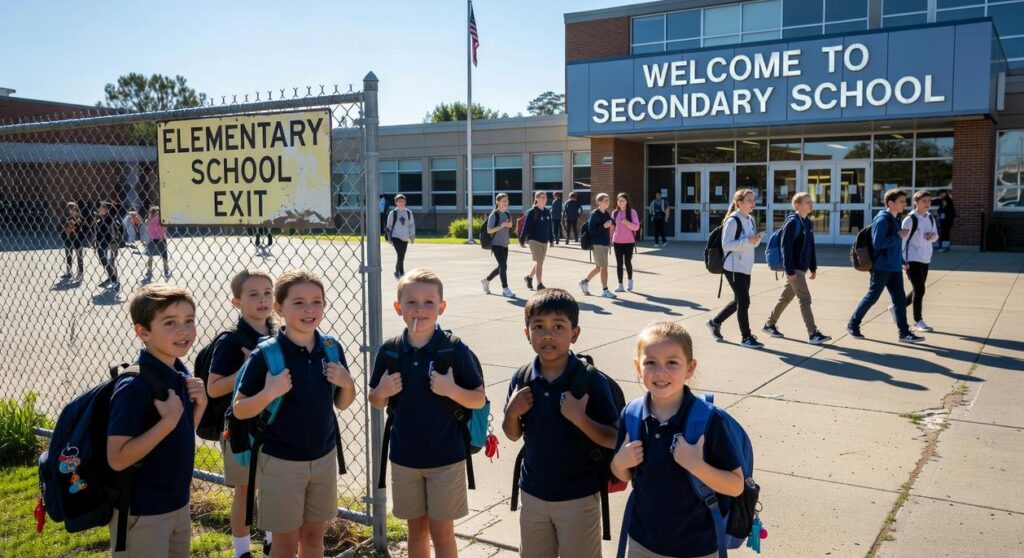
The end of summer always seems to arrive faster than we expect. One minute it’s late bedtimes and sunny adventures, the next it’s supply lists, new routines, and that familiar mix of excitement and anxiety — for both parents and kids. As parents, we know the feeling all too well. The mental load builds quickly, and it’s easy to feel overwhelmed. That’s why this guide was created: to turn chaos into calm with a simple, step-by-step plan. Think of it as your practical back to school checklist for parents, broken into four manageable phases so nothing gets missed and everything feels doable.
The 4-Week Head Start: Health, Paperwork, and Peace of Mind
Four weeks out is your golden window. Act now, and future-you will be deeply grateful (probably with coffee in hand and zero stress).
Here’s your back to school checklist for parents—focused on health, organization, and emotional readiness.
-
Book Health Appointments Early
Schedule physicals, dental cleanings, and eye exams now. Pediatric organizations like the American Academy of Pediatrics recommend annual well-child visits to monitor growth and development. Early booking means better time slots, fewer crowds, and no frantic last-minute scrambling. The benefit? Your child starts school feeling confident, comfortable, and cleared to learn. -
Create a Paperwork Hub
Gather birth certificates, immunization records, and proof of residency. Scan digital copies and store originals in one labeled folder. (No more digging through random drawers.) The payoff is instant access when forms are due—saving time and preventing avoidable stress. -
Review School Communications
Check supply lists, new policies, and key dates. Add everything to a shared family calendar. This boosts organization and reduces forgotten deadlines. -
Have a Low-Pressure Child Check-In
Casually ask about teachers, classmates, and feelings. These small conversations build emotional security—so your child walks in prepared, not pressured.
Four weeks of preparation equals months of smoother mornings. That’s peace of mind you can actually feel.
Conquering the Aisles: A Smart Parent’s Shopping Strategy
Last August, I stood in a crowded store staring at a cart full of “great deals” and realized I had already bought half of it the year before (yes, including the glitter pens no one used). That was the moment I decided back-to-school shopping needed a smarter plan.
Here’s what actually works:
-
Shop Your House First. Before spending a dollar, take inventory. Check last year’s backpack pockets, desk drawers, and closets. You might find unopened notebooks or barely worn sweaters. This simple step turns chaos into clarity and prevents waste. Think of it as your personal back to school checklist for parents — but starting at home.
-
Set a Budget and Make a List. A budget is a spending limit you commit to ahead of time. Pair the official school supply list with a clothing needs list. If it’s not on the list, it doesn’t go in the cart (even if it’s “on sale”). Impulse buys add up fast.
-
Empower Your Child. Let them choose between two backpacks or lunchboxes. Limited choices build independence without overwhelming them. I’ve noticed my child takes better care of items they helped pick out.
Practical Tip: Focus on durable basics and layering pieces for clothing. Always double-check the dress code before you shop to avoid frustrating returns.
Some parents say winging it is more fun. Maybe. But walking out under budget? That’s its own kind of victory.
Beyond the Backpack: Easing Back into School Routines
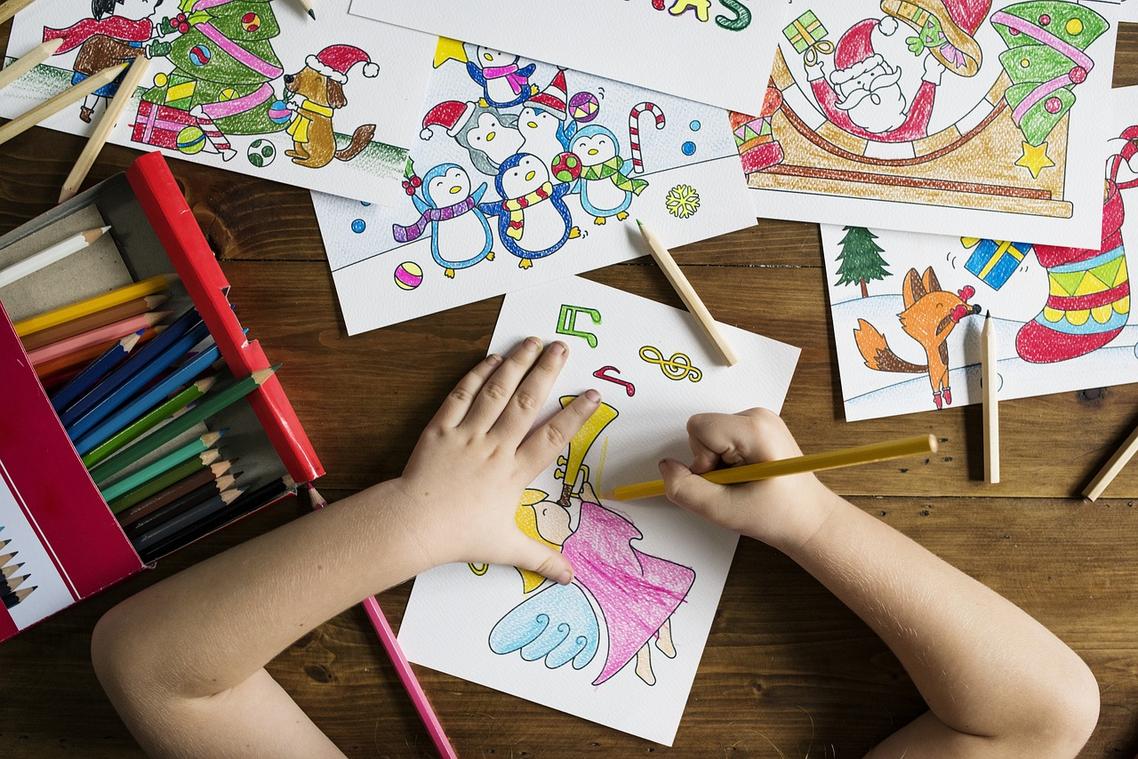
The new pencils are ready. The backpack is packed. But here’s what many families overlook: routines—not supplies—determine how smooth the first month feels.
The Sleep Schedule Shift
First, adjust sleep gradually. About two weeks before school starts, shift bedtime and wake-up time by 15 minutes earlier each day. This small adjustment helps reset the body’s circadian rhythm (your internal sleep clock) without triggering overtired meltdowns. According to the American Academy of Pediatrics, school-aged children need 9–12 hours of sleep nightly for optimal focus and mood regulation. In other words, this isn’t just about less grumpy mornings—it’s about cognitive performance.
Re-establish Morning & Evening Rhythms
Next, rehearse the routine before it “counts.” Practice getting dressed, eating breakfast, and brushing teeth a few days early. Then, layer in a calming evening rhythm—dim lights, limit screens, read together. While some argue kids will “just adapt once school starts,” research on habit formation shows repetition reduces stress and decision fatigue. Practice builds predictability (and predictability builds confidence).
Designate a Command Center
Meanwhile, create a homework command center stocked with supplies. This isn’t about Pinterest perfection—it’s about environmental cues. A consistent workspace signals, “This is where learning happens.” Pro tip: keep it distraction-light but family-visible for gentle accountability.
Emotional Prep Matters More Than You Think
Finally, talk openly about feelings. Excitement and anxiety often coexist. Validate both. Use a simple back to school checklist for parents to guide conversations and logistics together.
And if summer travel threw routines off track, revisiting planning a stress free family vacation step by step can help you rebuild structure with intention.
After all, confidence starts long before the first bell rings.
The Final Countdown: Your Week-Before Success Plan
Seven days before school starts, SMALL MOVES create BIG CALM. Start with a simple meal plan—meaning a pre-decided list of lunches and dinners to cut decision fatigue (that mental drain researchers link to poorer choices; APA, 2014). Think turkey wraps, cut fruit, and slow-cooker tacos. Pro tip: shop once, midweek, and freeze portions.
Next, set up a “Launch Pad”—a single drop zone by the door for backpacks and shoes (yes, like mission control). Finally, choose the first-day outfit the night before; small autonomy builds confidence. Use a back to school checklist for parents to track it all.
Ready for the First Bell and Beyond
If you’re feeling that back-to-school overwhelm creeping in, take comfort in knowing it’s completely normal. With a clear plan in place, it’s also completely manageable. By scheduling appointments early, creating simple routines, setting up a launch pad, and focusing on your child’s emotional readiness, you’ve built a strong foundation for success. This preparation goes far beyond pencils and backpacks — it sets a calm, confident tone for the entire school year. Your back to school checklist for parents isn’t just a list; it’s peace of mind. Now take a deep breath, soak in these final summer moments, and step into the new school year feeling ready and confident.

 Yenansiner Helm has opinions about child development insights. Informed ones, backed by real experience — but opinions nonetheless, and they doesn't try to disguise them as neutral observation. They thinks a lot of what gets written about Child Development Insights, Bianca's Motherhood Reflections, Tips and Advice is either too cautious to be useful or too confident to be credible, and they's work tends to sit deliberately in the space between those two failure modes.
Reading Yenansiner's pieces, you get the sense of someone who has thought about this stuff seriously and arrived at actual conclusions — not just collected a range of perspectives and declined to pick one. That can be uncomfortable when they lands on something you disagree with. It's also why the writing is worth engaging with. Yenansiner isn't interested in telling people what they want to hear. They is interested in telling them what they actually thinks, with enough reasoning behind it that you can push back if you want to. That kind of intellectual honesty is rarer than it should be.
What Yenansiner is best at is the moment when a familiar topic reveals something unexpected — when the conventional wisdom turns out to be slightly off, or when a small shift in framing changes everything. They finds those moments consistently, which is why they's work tends to generate real discussion rather than just passive agreement.
Yenansiner Helm has opinions about child development insights. Informed ones, backed by real experience — but opinions nonetheless, and they doesn't try to disguise them as neutral observation. They thinks a lot of what gets written about Child Development Insights, Bianca's Motherhood Reflections, Tips and Advice is either too cautious to be useful or too confident to be credible, and they's work tends to sit deliberately in the space between those two failure modes.
Reading Yenansiner's pieces, you get the sense of someone who has thought about this stuff seriously and arrived at actual conclusions — not just collected a range of perspectives and declined to pick one. That can be uncomfortable when they lands on something you disagree with. It's also why the writing is worth engaging with. Yenansiner isn't interested in telling people what they want to hear. They is interested in telling them what they actually thinks, with enough reasoning behind it that you can push back if you want to. That kind of intellectual honesty is rarer than it should be.
What Yenansiner is best at is the moment when a familiar topic reveals something unexpected — when the conventional wisdom turns out to be slightly off, or when a small shift in framing changes everything. They finds those moments consistently, which is why they's work tends to generate real discussion rather than just passive agreement.