
If you’ve ever felt like the air traffic controller of your household—managing school runs, practices, appointments, and endless to-do lists—you’re not alone. The constant juggling can leave you exhausted and wondering where the meaningful moments went. This guide offers a simple, sustainable way to shift from chaos to calm—not by piling on more rules, but by creating a clear, shared rhythm everyone can follow. Rooted in real-life family organization hacks tested in busy homes, these strategies are practical and realistic. By the end, you’ll have actionable steps you can implement this week to streamline schedules and reclaim precious family time.
The Foundation: Establish Your Family’s “Mission Control”
Have you ever wondered why the dentist appointment only gets remembered in the carpool line? Or why school spirit day sneaks up like a plot twist in a sitcom? That’s where a family “Mission Control” comes in—a central hub, meaning one dedicated place where all key information lives. It could be a kitchen whiteboard, a shared digital calendar, or a simple dashboard app.
Now, you might think, “Isn’t that overkill? Can’t we just text each other?” Fair point. However, research from the American Psychological Association shows that shared routines reduce household stress and improve cooperation. When everyone can see the plan, fewer details slip through the cracks.
Of course, this only works with team buy-in. So ask yourself: are you carrying the mental load alone? Make it a group effort. Establish the golden rule: If it’s not in the system, it doesn’t exist. Surprisingly powerful.
It’s one of those family organization hacks that sounds simple—but changes everything.
Your Core Tool: Mastering the Shared Digital Calendar
A paper planner can feel charming (very “back-to-school aisle chic”), but it can’t ping you when you forget soccer at 4:30. A shared digital calendar—like Google Calendar or Cozi—wins because it lives on every device, updates instantly, and sends automated reminders. That means fewer “I thought you had pickup” conversations and more smooth handoffs.
Some argue paper feels more intentional and less distracting. Fair point. But digital calendars reduce mental load. According to a 2023 study in Cognitive Research, external reminders improve task follow-through by offloading working memory demands. In real life? That’s one less thing rattling around in your brain at 2 a.m.
Here’s how to set it up for maximum clarity:
- Color-code by family member for at-a-glance clarity.
- Use the “invite” feature so both parents automatically receive appointment details.
- Add travel time as a separate event before appointments.
- Input recurring events (sports practice, music lessons) for the entire season.
These small tweaks turn a basic app into one of your smartest family organization hacks.
Pro tip: Schedule a 10-minute weekly calendar check-in. It prevents double-booking and keeps everyone rowing in the same direction (no frantic group texts required).
The Weekly Sync: Your 15-Minute Sunday Reset
If your Mondays feel chaotic, I recommend a 15-minute Sunday huddle. Not a formal meeting. Not a lecture. Just a quick reset.
Start with the calendar. Scan for appointments, school events, work travel, or double-bookings. Spotting conflicts early prevents last-minute scrambles (and those “Wait, that’s today?” moments).
Next, outline a simple dinner plan. You don’t need gourmet—just clarity. Taco Tuesday, leftovers Wednesday, slow cooker Thursday. When everyone knows the plan, evenings run smoother.
Then, check supplies. Does anyone need poster board? Sports gear cleaned? Permission slips signed? A two-minute check saves a 10 p.m. panic run.
Think of this as one of your steady family organization hacks—small effort, big payoff.
Pro tip: Pair this with creating smooth bedtime routines for toddlers and kids to anchor the week.
Keep it light. Keep it quick. Consistency beats perfection.
Small steps create calmer weeks ahead. Together.
Beyond the Calendar: Taming Daily Routines and Tasks
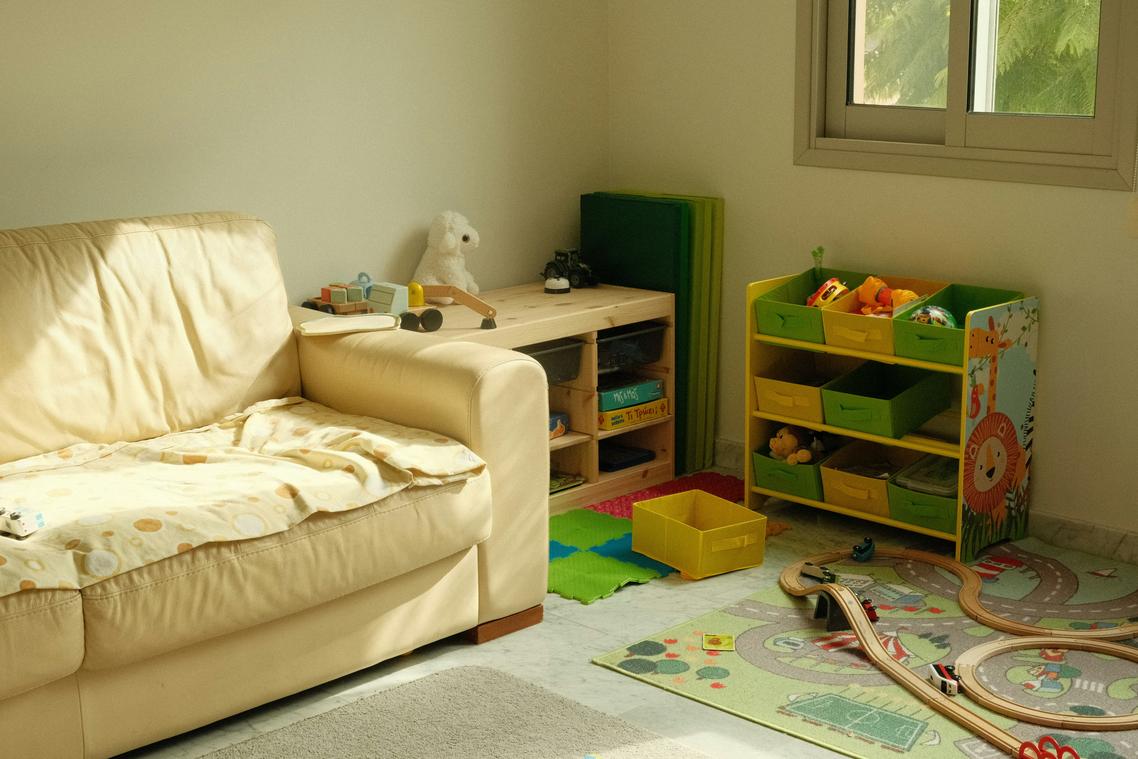
A calendar tracks appointments. A routine—a repeated sequence of actions done in the same order—shapes behavior. That distinction matters. Research shows routines reduce decision fatigue (the mental drain from making too many choices), improving focus and emotional regulation in kids (American Psychological Association). In other words, fewer “What now?” moments, more momentum.
Morning & Evening Routines
Keep mornings simple: wake, dress, eat, brush, grab bag. Even toddlers thrive when steps stay predictable (think less chaos, more “we’ve got this”). Evenings should mirror that calm: tidy, prep clothes, quick chat, lights out. Some argue rigid routines stifle creativity. Fair—but structure actually frees mental space for creativity later.
Visual Aids for Kids
Create a visual checklist with icons for shoes, lunchbox, and homework. Unlike verbal reminders, visuals build independence because kids see progress. Pro tip: laminate and let them tick tasks with a dry-erase marker.
Meal Planning Simplified
Theme nights like Taco Tuesday or Pizza Friday eliminate daily dinner debates. Batch-prep proteins or chop veggies on Sunday. Studies show meal planning reduces food waste and stress (Harvard T.H. Chan School of Public Health).
The “Launch Pad”
Designate one basket or bench by the door for backpacks and keys. This tiny system—often overlooked in typical family organization hacks—prevents frantic morning searches.
For a deeper dive, explore this daily planning guide.
Putting It All Together: Your First Week’s Action Plan
Forget the color-coded Pinterest fantasy. What you need tonight is momentum.
Step 1: Choose and set up your shared calendar this evening. (Yes, tonight—perfection is overrated.)
Next, Step 2: Add all appointments and recurring events for the next month. Dentist visits, soccer practice, even Grandma’s birthday. Seeing it reduces mental load—a term psychologists use for the brain’s invisible to-do list (American Psychological Association).
Then, Step 3: Schedule your 15-minute “Weekly Sync” for Sunday.
Finally, Step 4: Pick one routine to improve—like packing lunches early. Small family organization hacks beat overhauls.
Creating Space for What Truly Matters
You didn’t start this journey to create a picture-perfect home — you wanted more peace. Now you have a realistic system to manage the logistics of family life without feeling buried by them. The stress of constant chaos, forgotten appointments, and last-minute scrambles doesn’t have to define your days anymore.
When you use simple, consistent family organization hacks, you create breathing room — space for laughter, connection, and spontaneous moments that actually matter. That’s the real win.
Start small. Choose one change from the action plan and implement it this week. Even one shift can lighten the load and bring calm back into your home. Your peaceful family rhythm starts today.

 Yenansiner Helm has opinions about child development insights. Informed ones, backed by real experience — but opinions nonetheless, and they doesn't try to disguise them as neutral observation. They thinks a lot of what gets written about Child Development Insights, Bianca's Motherhood Reflections, Tips and Advice is either too cautious to be useful or too confident to be credible, and they's work tends to sit deliberately in the space between those two failure modes.
Reading Yenansiner's pieces, you get the sense of someone who has thought about this stuff seriously and arrived at actual conclusions — not just collected a range of perspectives and declined to pick one. That can be uncomfortable when they lands on something you disagree with. It's also why the writing is worth engaging with. Yenansiner isn't interested in telling people what they want to hear. They is interested in telling them what they actually thinks, with enough reasoning behind it that you can push back if you want to. That kind of intellectual honesty is rarer than it should be.
What Yenansiner is best at is the moment when a familiar topic reveals something unexpected — when the conventional wisdom turns out to be slightly off, or when a small shift in framing changes everything. They finds those moments consistently, which is why they's work tends to generate real discussion rather than just passive agreement.
Yenansiner Helm has opinions about child development insights. Informed ones, backed by real experience — but opinions nonetheless, and they doesn't try to disguise them as neutral observation. They thinks a lot of what gets written about Child Development Insights, Bianca's Motherhood Reflections, Tips and Advice is either too cautious to be useful or too confident to be credible, and they's work tends to sit deliberately in the space between those two failure modes.
Reading Yenansiner's pieces, you get the sense of someone who has thought about this stuff seriously and arrived at actual conclusions — not just collected a range of perspectives and declined to pick one. That can be uncomfortable when they lands on something you disagree with. It's also why the writing is worth engaging with. Yenansiner isn't interested in telling people what they want to hear. They is interested in telling them what they actually thinks, with enough reasoning behind it that you can push back if you want to. That kind of intellectual honesty is rarer than it should be.
What Yenansiner is best at is the moment when a familiar topic reveals something unexpected — when the conventional wisdom turns out to be slightly off, or when a small shift in framing changes everything. They finds those moments consistently, which is why they's work tends to generate real discussion rather than just passive agreement.