It’s 4 p.m., and suddenly, the dreaded phrase echoes: “I’m bored.” You feel it too, that parental guilt creeping in, wondering how to turn this afternoon around. It’s not about having more toys. It’s the mental exhaustion of inventing playtime magic every day.
As a mom who’s waded through these waters countless times, I’ve learned the secret isn’t a bigger toy collection. It’s in simplifying how we plan.
You’re not alone in this. We all struggle with it. But here’s the truth: playtime can be engaging without costing us our sanity (or budget).
This article will give you practical, organizing playtime tips. You’ll find stress-free ways to create moments that spark creativity and connection. Let’s make playtime fun again, without the overwhelm.
The Big Shift: Moving from ‘Busy’ to ‘Engaging’ Play
I’ve seen it time and again. We fill kids’ schedules with busy activities. Stuff that’s passive and just fills time (like endless screen time).
But what’s really beneficial? Engaging play. The kind where kids take the lead, interact, and actually learn something.
You might wonder why this matters. Simple: it’s how children solve problems, regulate emotions, and build their imagination. And let’s be honest, a more fulfilled child is often a more independent one.
That’s a win for everyone.
I remember setting up this elaborate craft project once. Spent ages planning it. You know what happened?
It flopped. But when my kid spent 20 minutes making a “potion” from random kitchen items? Huge success!
They were engrossed, using their imagination. That’s the magic of engaging play. It’s not about having a picture-perfect activity.
It’s about having a connected experience.
So, how do you make this shift without going nuts organizing playtime tips? Focus on the interaction, not perfection. Embrace the mess.
Let them lead. You’ll find that letting go of structured plans often leads to the most meaningful moments. Check out Simple Morning Routines For Moms for more ideas on creating a flexible start to your day.
In the end, it’s not about being perfect. It’s about being present. That’s where the real growth happens.
Your Simple Playtime Planning Tool: The ‘SPARK’ Method
Organizing playtime can feel overwhelming. Enter the SPARK method. It’s an easy, effective way to keep playtime exciting (and sane).
Let’s break down SPARK.
S is for Start With Their Interest. Kids are like mini-obsessives (I say this with love). One day it’s dinosaurs, the next, bugs. Play detective. What’s the flavor of the week? Use it as your starting point.
P stands for Provide Open-Ended Materials. Not everything needs to be a fancy toy. In fact, some of the best materials aren’t toys at all. Cardboard boxes, tape, bowls, water, fabric scraps, sticks. These things have endless possibilities. Think outside the toy box. (I’ve seen a stick become a wand, a sword, and a fishing rod (all) in one afternoon!)
A means Allow for Exploration. There’s no “right” way to play. The process matters more than the product. Let them lead. Ask questions like, “What do you think will happen if…?” (You’re curious, right?) Let them discover the answers themselves.
R is for Rotate Activities & Materials. Toy rotation keeps things fresh. Have a few backup ideas if one activity flops. Sometimes, a change of scene (or toy) is all it takes.
K stands for Keep It Simple. A 15-20 minute engaging activity beats an hour-long stressful one. It’s about quality over quantity. Don’t overthink it.
Want more toy organization & storage ideas: 30? Check out this guide. It’s gold for organizing playtime tips.
So there you have it. The SPARK method. It’s all about keeping playtime fun and manageable.
What’s your next move?
The SPARK Method in Action: Playtime Unplugged
I’ve seen how organizing playtime can transform chaotic afternoons into peaceful hours of fun. The SPARK method is genius for this. It gives you a blueprint. to these simple, age-specific ways to keep kids busy and happy.

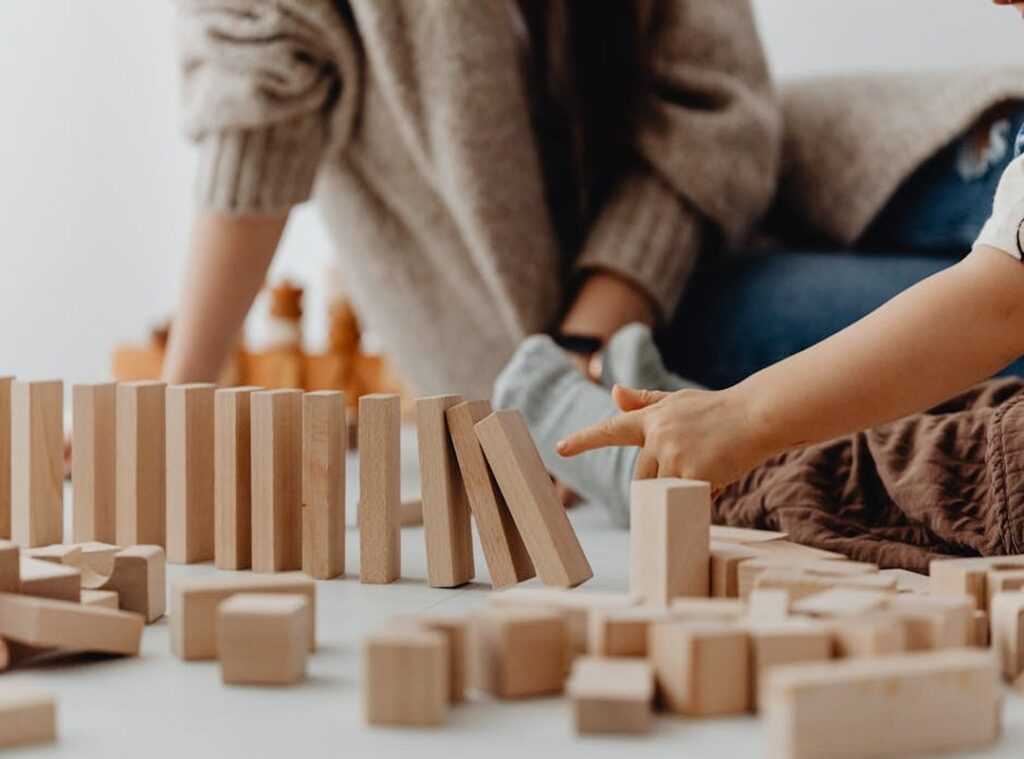
First, toddlers. Ages 1 to 3 are wild. They love stacking.
I grab plastic cups and soft blocks. Give them a space and watch them build and destroy. Sit with them and narrate. “You stacked three cups!” It’s simple, but they love it.
Preschoolers, ages 3 to 5, are all about pretending. Making potions is a hit. They’ll need a bowl, water, food coloring, maybe some petals.
Let them mix freely. Supervise, but let them lead. Set it up in the sink or outside.
Cleanup is easy this way.
Then there are the early grade schoolers. Ages 5 to 7 love building forts. Use couch cushions and blankets.
Let them design the whole thing. Your job? Bring snacks and a flashlight.
Kids love that. They’ll play for hours in their new world.
These methods aren’t just about keeping kids busy. They’re about growth. Kids learn through play.
It’s important for development. And you? You get some peace.
Got bedtime struggles? Play can help there too. A good playtime leads to better sleep (at least in my experience).
If you’re curious, you might want to read more about evening routines.
The best part? You don’t need fancy toys. Just everyday items and your time.
That’s what makes the SPARK method brilliant. It’s all about simplicity. No one needs more stress.
These organizing playtime tips keep it easy and stress-free.
How do you play with your kids? What works for you? Everyone has their tricks.
But if you’re like me, you’ll love this method. It changes the game.
Playtime Puzzles: Solving Common Challenges
Kids have a natural tendency to bounce from one thing to another. I get it. “My child has a short attention span!” is a frequent frustration. Honestly, it’s pretty normal.
Ever tried keeping things simple? Short, focused play bursts. That’s the key.
I call it the “Keep It Simple” principle. Quick activities with a follow-up ready. Rotate activities to keep them engaged (trust me, it works like magic).
But let’s talk about when you’re exhausted. Being the “fun parent” can feel like a chore. “I’m too tired to be the ‘fun parent’ today.” You’re not alone. Some days, I barely have the energy to lift a finger.
Enter low-spoon activities (because) who has the energy to run around? Try listening to a story podcast together or drawing side-by-side. No fuss, just easy connection.
Now, the mess. Oh, the mess. “My house is a mess and I don’t have the right stuff.” Stop right there. You don’t need fancy toys.
Open-ended materials (like a cardboard box or fabric scraps) unleash creativity. Contain the chaos with a tray, and let the messiness spark joy. Simple organizing playtime tips can transform frustrations into moments that matter.
Plan Your Playtime, Boost Your Bond
Feeling the daily pressure to entertain your kids meaningfully? You’re not alone. The SPARK method is your answer.
It strips away the guesswork and connects you with your child’s curiosity. This isn’t just about passing time; it’s about building a joyful connection, one activity at a time. So, what’s next?
This week, pick one letter from SPARK. Maybe start with ‘S’ (observe) what your child loves. Trust me, it’s a simple step with a big impact.
Dive into those organizing playtime tips and watch your bond grow. Ready to connect more deeply? Start your SPARK journey today.

 Jorveth Havendale is the kind of writer who genuinely cannot publish something without checking it twice. Maybe three times. They came to tips and advice through years of hands-on work rather than theory, which means the things they writes about — Tips and Advice, Child Development Insights, Daily Mum Moments, among other areas — are things they has actually tested, questioned, and revised opinions on more than once.
That shows in the work. Jorveth's pieces tend to go a level deeper than most. Not in a way that becomes unreadable, but in a way that makes you realize you'd been missing something important. They has a habit of finding the detail that everybody else glosses over and making it the center of the story — which sounds simple, but takes a rare combination of curiosity and patience to pull off consistently. The writing never feels rushed. It feels like someone who sat with the subject long enough to actually understand it.
Outside of specific topics, what Jorveth cares about most is whether the reader walks away with something useful. Not impressed. Not entertained. Useful. That's a harder bar to clear than it sounds, and they clears it more often than not — which is why readers tend to remember Jorveth's articles long after they've forgotten the headline.
Jorveth Havendale is the kind of writer who genuinely cannot publish something without checking it twice. Maybe three times. They came to tips and advice through years of hands-on work rather than theory, which means the things they writes about — Tips and Advice, Child Development Insights, Daily Mum Moments, among other areas — are things they has actually tested, questioned, and revised opinions on more than once.
That shows in the work. Jorveth's pieces tend to go a level deeper than most. Not in a way that becomes unreadable, but in a way that makes you realize you'd been missing something important. They has a habit of finding the detail that everybody else glosses over and making it the center of the story — which sounds simple, but takes a rare combination of curiosity and patience to pull off consistently. The writing never feels rushed. It feels like someone who sat with the subject long enough to actually understand it.
Outside of specific topics, what Jorveth cares about most is whether the reader walks away with something useful. Not impressed. Not entertained. Useful. That's a harder bar to clear than it sounds, and they clears it more often than not — which is why readers tend to remember Jorveth's articles long after they've forgotten the headline.